Most comparisons between FUE and FUT focus on scarring. But the differences between these two hair transplant methods go much deeper than that, especially when it comes to how each one interacts with your donor area. Understanding what happens to the back of your head during and after surgery is just as important as what happens on top.
What Is the Safe Donor Area and Why Does It Matter?
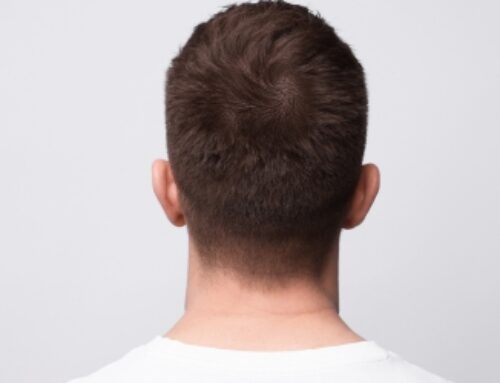
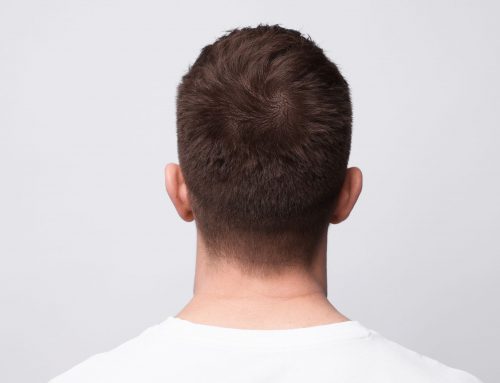
The safe donor area is the zone at the back of your head where the hairs are not genetically programmed for hair loss. These are the hairs that surgeons move to the front or top of your head during a transplant because they’re expected to keep growing long term.
Both FUE and FUT harvest from this area, but they do it differently. And how your surgeon approaches the donor area can have a major impact on your results, your recovery, and your risk of complications.
The concern that experienced surgeons raise is when doctors push to the extreme borders of the safe donor area. Some surgeons are harvesting well beyond the traditional boundaries, and the hairs in those outer zones may not have the same resistance to genetic hair loss. That means those transplanted hairs could eventually thin and fall out over time.
How Does FUT Affect the Donor Area?
FUT, also known as the strip method, involves removing a strip of tissue from the donor area. The wound is then closed, leaving a linear scar.
One thing that many patients don’t expect after FUT is scalp tension. When a strip of tissue is removed and the wound is pulled together and sutured, the scalp can feel noticeably tight in that area. This tension is a known side effect of the strip method and is something patients commonly experience during recovery.
There is also the risk of nerve damage with FUT. The occipital nerves run through the back of the head, and if they are cut or damaged during the strip removal, the results can be serious. In cases of lacerated occipital nerves, patients can experience pain at even the slightest breeze across the back of their head. This kind of nerve injury is rare, but when it happens, it can be extremely difficult to treat and may become a long-term problem.
How Does FUE Affect the Donor Area Differently?
FUE, or follicular unit extraction, removes individual follicular units one at a time from the donor area rather than taking a strip of tissue. Because there is no long incision and no wound closure pulling the skin together, patients typically do not experience the same scalp tension that FUT patients feel.
However, FUE is not without its own donor area concerns. Because individual grafts are extracted across a wider surface area, some surgeons end up harvesting above and below the traditional safe donor zone. The hairs in those outer regions may not carry the same genetic protection against hair loss, which means they could be temporary rather than permanent.
What Kind of Pain Can Happen After Each Procedure?
Post-operative pain in the donor area is a rare but real complication of hair transplant surgery. For both FUE and FUT, using tumescent fluid during the procedure helps move the follicles away from the nerve and blood supply, which should result in minimal discomfort for most patients.
But every now and then, patients do experience pain after surgery. With FUT specifically, the combination of the incision and the resulting scalp tension can contribute to discomfort in the donor area. In extreme cases involving nerve damage, that pain can become chronic and debilitating.
There are newer approaches to managing this kind of post-operative pain. Dilute Botox placed at the base of the skull, from the bony area behind one ear all the way across to the other side, has shown remarkable results in eliminating donor area pain and scalp tension. The key finding is that this treatment works best when administered the day after surgery rather than during the procedure itself.
In cases where it’s applied the day after, the pain doesn’t just get better. It goes away entirely. Scalp tension from strip procedures has responded the same way. In rare cases, some pain may return slightly, but the results have been consistently strong.
What Happens When Nerves Are Seriously Damaged?
The most concerning donor area complication is permanent nerve damage. When the occipital nerves at the back of the head are fully lacerated during surgery, patients can develop what’s called a neuroma. This causes intense pain and hypersensitivity that makes everyday sensations like wind on the scalp feel unbearable.
Traditional treatment for a neuroma often involves surgically exploring the area, cutting out the damaged nerve, and accepting permanent numbness as a tradeoff. However, Botox injections have shown promise as a less invasive alternative. In cases of neuromas from prior surgeries, patients have experienced significant pain relief after about three sessions of Botox treatment. Their sensation also partially improved, though it wasn’t completely restored.
The important caveat is that this approach has limits. In cases where a nerve is completely destroyed, treatment may not be able to fully resolve the pain or restore normal sensation. This underscores why choosing a skilled and careful surgeon is so critical in the first place.
Why Should You Discuss the Donor Area With Your Surgeon?
Too many consultations focus entirely on what the front of the head will look like after surgery. But the donor area deserves just as much attention and discussion.
Whether you’re considering FUE or FUT, you should understand how your surgeon plans to harvest from the donor area, whether they’ll stay within the safe zone or go beyond it, what kind of discomfort or tension to expect during recovery, and what the plan is if complications arise.
Both methods have their strengths and their risks. The right choice depends on your individual anatomy, your hair loss pattern, and an honest conversation with a surgeon who is willing to explain the full picture, not just the one that’s easiest to sell.
Meet Robert Haber, MD, FISHRS
Dr. Haber is considered one of the finest hair transplant surgeons in the world, and lectures internationally each year. He also directs the region’s busiest private clinical trials unit studying new medications.
In 2023, Dr. Haber was the recipient of the prestigious Manfred Lucas Lifetime Achievement Award by the ISHRS, for his exceptional contributions and commitment to the field of hair transplantation. Only 15 other surgeons globally have ever received this honor.
The International Society of Hair Restoration Surgery (ISHRS) awarded Dr. Haber the coveted Golden Follicle Award in 2009 as one of the world’s top hair transplant surgeons, in recognition of his academic contributions and surgical skills.