A good clinic makes the consultation doctor-led, presents all options (including “no surgery”), avoids sales pressure and promises, and is willing to refer you elsewhere if another method or provider is better for you. The warning signs to watch for include: never meeting the surgeon before surgery day, commission-driven selling, pushing just one technique, guaranteed results, and skipping proper medical evaluation.
Red Flag #1: You Don’t Meet the Surgeon Until Surgery Day
If you’re planning to have surgery, you should meet the doctor who will actually operate on you. Both surgeons in our source material insist that the surgeon, not just a coordinator, must assess you personally. The medical judgment and ethical decisions need to happen in that physician consultation.
Clinics that let a salesperson “sign and book” you, where your first face-to-face with the actual doctor is when you’re lying on the operating table? That’s a major red flag.
What ethical clinics do: They refuse to run consultations if the surgeon isn’t in the office, and the surgeon spends real time with every new patient, not just a quick handshake.
Red Flag #2: You Feel “Sold” Rather Than Evaluated
Commission-based consultants can act like salespeople: they emphasize all the positives, downplay the caveats, and fast-track you toward booking a procedure. Ethical doctors do the opposite; they slow things down, share pros and cons openly, and sometimes say no.
Here’s a real example: A 30-year-old man with a strong head of hair and minimal recession wanted a transplant. After thoroughly examining him (even measuring his hairline proportions), the surgeon said no, started him on medical therapy instead, and closed the case. That “no” built trust and led to future referrals from that grateful patient.
What to watch for: Do you feel like you’re being evaluated medically, or do you feel like you’re being pitched a product?
Red Flag #3: The Clinic Pushes Only One Technique (FUT vs. FUE Bias)
Some clinics engage in what’s called “nudging”, subtly steering patients toward one method by exaggerating the drawbacks of the other. You might hear FUT framed as “big ugly scars, never do it” or FUE positioned as “scarless and always better.” That’s bias talking, not medicine.
What ethical clinics do: The surgeon can perform both FUT and FUE (or will refer you to someone who can). They explain honest trade-offs and help you decide based on your hair characteristics, styling preferences, and donor considerations, not the clinic’s convenience or profit margins.
Even if a surgeon personally only offers one method, they should still explain when the other technique would be better and offer to refer you accordingly.
Red Flag #4: Informed Consent Is Just a Form You Sign
Ethical consultations involve a real conversation about benefits, risks, limitations, and alternatives. Those alternatives include medications, a “watch and wait” approach, and, even if the clinic doesn’t offer them, hair systems.
For example, if you have extensive hair loss with a limited donor supply, the honest plan might be a conservative “frame the face” approach with clear expectations about density limits. And yes, an ethical doctor should acknowledge that a modern hair system might actually deliver the fuller look you’re hoping for.
Warning sign: No mention of risks, no discussion of limitations, no alternatives presented, just pressure to book.
Red Flag #5: No Medical Workup Beyond Looking at Your Scalp
Here’s a revealing story: A woman came in after losing hair following a prior transplant. During a thorough medical review and lab work, her ferritin (iron storage) level was found to be essentially zero. After treatment from a hematologist, she regrew a significant amount of hair and didn’t need another transplant. Looking back, she questioned whether she’d even needed the first surgery.
The lesson? Ethical clinics investigate potential medical causes of hair loss before recommending surgery. Skipping that step can lead to unnecessary procedures.
Warning sign: No questions about your medical history, no labs ordered when appropriate, zero curiosity about what might be causing your hair loss beyond “it’s genetic.”
Red Flag #6: Guarantees of “100% Growth” or a “Full Head of Hair”
In the source material, surgeons specifically call out a common sales pitch: “All grafts will grow.” That’s simply not honest. High graft survival, even over 90-95% in some cases, can happen with excellent surgical technique. But no one should promise 100%.
Warning sign: Any guarantee of a full head of hair, or any “100%” claim about results.
What ethical clinics do: They set clear, realistic expectations, including natural variability and the reality that crown density or overall coverage may have limits based on your donor supply.
Red Flag #7: The Clinic Never Says “Wait” or “Not Yet”
Ethical surgeons often tell patients to wait, especially very young patients or people with very early recession. They may recommend starting medication and observation first, then reassessing down the line. That’s not “turning away business”; it’s practicing good medicine.
Warning sign: A clinic that rarely (or never) says no, or that seems eager to operate on anyone who walks through the door.
Red Flag #8: They Won’t Discuss Hair Systems
Modern hair systems can look remarkably natural and hold up to daily life, even swimming or riding in a convertible. Sometimes a hair system fits a patient’s goals better than surgery, especially for extensive loss patterns.
Ethical counseling means bringing up this option, even if the clinic doesn’t sell hair systems themselves.
Warning sign: The clinic refuses to discuss hair systems at all, seemingly out of fear of “losing” a transplant case.
Red Flag #9: No Referral Network or Unwillingness to Refer Out
Another key ethical marker: referring patients out confidently when appropriate. If a patient needs FUE and the surgeon only performs FUT (or vice versa), or if a non-surgical solution is genuinely the best path, ethical doctors connect patients with the right provider and don’t expect anything in return.
What ethical clinics do: They have trusted referral partners and actually use them when it serves the patient’s best interest.
What Should You Ask Your Doctor?
Use this to separate ethical care from sales pressure:
- Will I meet the surgeon today?
- Did the clinic review my medical history, examine my scalp, and (when appropriate) discuss labs or potential underlying causes?
- Did I hear all options: FUT, FUE, waiting/medical therapy, and hair systems?
- Did the surgeon explain risks, limitations, and realistic outcomes (no 100% guarantees)?
- If they don’t offer a certain method, did they offer to refer me to a trusted provider?
- Did I ever feel pushed or “nudged” toward one choice with scare tactics about the other?
- Was anyone trying to book me quickly without giving me time to think or ask follow-up questions?
If you answer “no” to the first five questions or “yes” to the last two, seriously consider getting a second opinion.
Bottom Line
Ethical hair restoration starts with a doctor-led consultation, honest presentation of all options (including “not now”), and the humility to refer patients elsewhere when that’s what’s best for them. Watch out for sales pressure, one-method bias, skipped medical evaluation, and too-good-to-be-true promises.
Choose the clinic that earns your trust, even when their answer is “wait” or “this isn’t right for you.
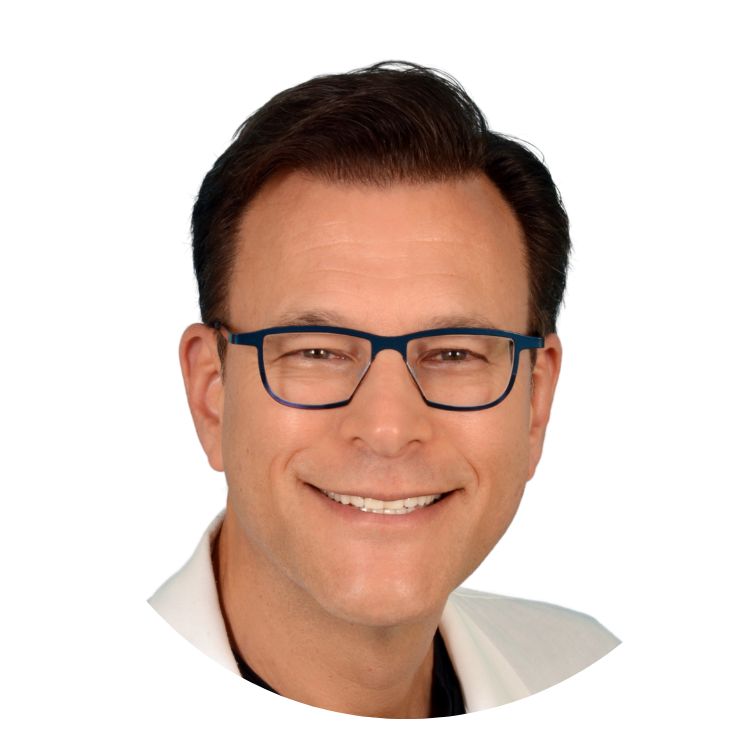
Meet Robert Haber, MD, FISHRS
Dr. Haber is considered one of the finest hair transplant surgeons in the world, and lectures internationally each year. He also directs the region’s busiest private clinical trials unit studying new medications.
In 2023, Dr. Haber was the recipient of the prestigious Manfred Lucas Lifetime Achievement Award by the ISHRS, for his exceptional contributions and commitment to the field of hair transplantation. Only 15 other surgeons globally have ever received this honor.
The International Society of Hair Restoration Surgery (ISHRS) awarded Dr. Haber the coveted Golden Follicle Award in 2009 as one of the world’s top hair transplant surgeons, in recognition of his academic contributions and surgical skills.