Mohs Surgery: Is it the only option?
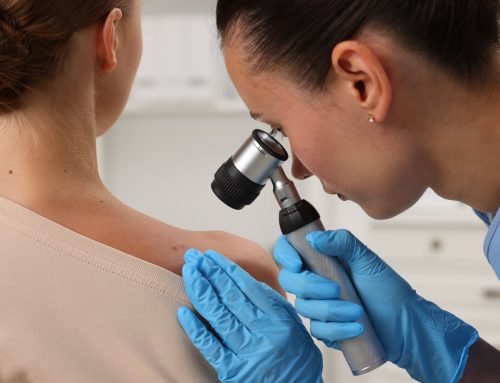
Basal cell carcinoma and squamous cell carcinoma are two of the most common skin cancers, and they show up often on the face, where a visible scar is the last thing anyone wants. If you’ve been scheduled for Mohs surgery to treat one of these cancers, it’s worth knowing about image-guided superficial radiation therapy, or IG-SRT, before you go ahead.
What Mohs surgery involves?
Mohs surgery has been used to treat skin cancer for close to 90 years, and the technique hasn’t seen significant advances in the last 50 years. It cures basal cell and squamous cell carcinoma, but it does so through cutting, bleeding, and pain, and it leaves a permanent scar.
Some locations make that trade-off harder than others. A basal cell carcinoma in the alar groove, the crease beside the nostril, is notoriously difficult to reconstruct after Mohs surgery: the procedure involves cutting a large hole, and even the best reconstruction leaves the nose looking different than it did before.
Why IG-SRT is the better alternative?
IG-SRT delivers image-guided superficial radiation directly to the cancer, with no cutting involved. Multiple peer-reviewed publications show it achieving the highest cure rate for these cancers, cited at 99.6%, along with the best cosmetic outcome of the two treatments.
A patient with a Mohs scar has been treated with IG-SRT for five separate skin cancers over several years: one four years ago, two three years ago, and two two years ago. Each treated area shows no fibrosis, and the skin looks the same as it did shortly after treatment. When sked which treatment they’d choose for a future skin cancer, they said IG-SRT, due to the procedure being easy and involving no cutting.
In another case, a basal cell carcinoma sat in one of those cosmetically sensitive spots on the nose. Six weeks after IG-SRT, the site showed no evidence of cancer, no redness, and no fibrosis, and the nose looked the same as it always had. The patient chose IG-SRT specifically to avoid what Mohs would have required: anesthetic injected into the face, cutting, an open wound, and a longer recovery. Describing the treatment itself, she said, “You just came in, sat in a chair, and three minutes later, you were done.”
Talk to your dermatologist about both options
At Haber Dermatology, Dr. Haber brings board certification in dermatology, decades of clinical experience, and a faculty appointment at Case Western Reserve University School of Medicine to every patient evaluation. Located in Beachwood, Ohio, the practice serves patients navigating skin cancer treatment decisions who want expert guidance on both surgical and non-surgical paths.
If you have been diagnosed with skin cancer and want a thorough, individualized assessment of whether radiation therapy is right for your case, book a consultation here. You can treat your skin cancer and still look great.
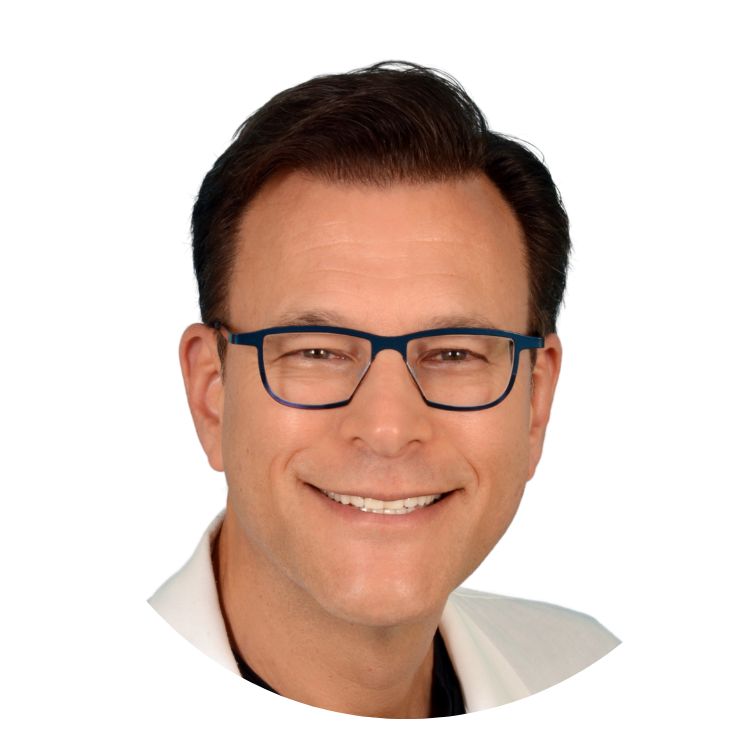
Meet Robert Haber, MD, FISHRS
Dr. Haber is considered one of the finest hair transplant surgeons in the world, and lectures internationally each year. He also directs the region’s busiest private clinical trials unit studying new medications.
In 2023, Dr. Haber was the recipient of the prestigious Manfred Lucas Lifetime Achievement Award by the ISHRS, for his exceptional contributions and commitment to the field of hair transplantation. Only 15 other surgeons globally have ever received this honor.
The International Society of Hair Restoration Surgery (ISHRS) awarded Dr. Haber the coveted Golden Follicle Award in 2009 as one of the world’s top hair transplant surgeons, in recognition of his academic contributions and surgical skills.