Radiation therapy is a proven, non-surgical option for certain basal cell and squamous cell carcinomas, but not all radiation is the same. Image-Guided Superficial Radiation Therapy (IG-SRT) is increasingly the preferred radiation option for eligible patients, pairing real-time imaging with a precisely calibrated dose.
Image-Guided Superficial Radiation Therapy (IG-SRT)
IG-SRT uses low-energy X-rays, in the same 50 to 150 kilovoltage range as standard superficial radiation, but adds one critical step: before each session, high-frequency ultrasound maps the tumor’s exact depth and dimensions beneath the skin. That measurement calibrates the radiation dose precisely to the lesion rather than estimating from appearance alone, and lets the physician monitor how the tumor responds across treatment.
This makes IG-SRT particularly well-suited for tumors in anatomically complex areas like the nose, ear, or eyelid, where precision matters most. It’s also a strong option for patients who cannot undergo surgery due to age, health status, or blood thinners, and for those who want to avoid surgical scarring in a visible location.
How many treatments: typically 15 to 20 sessions over three to four weeks. The ultrasound scan at the start of each session adds a few minutes but doesn’t meaningfully change the schedule.
What to expect: sessions are brief and office-based, with no anesthesia or wound care. Side effects are mild, redness and dryness localized to the treated area, typically resolving within two to four weeks of the final session. IG-SRT is used for BCC and SCC only; it is not a treatment for melanoma.
Other Radiation Options
A few other radiation approaches exist, though they see far less use than IG-SRT for these cancers. Standard Superficial Radiation Therapy (SRT) uses the same energy range as IG-SRT but without ultrasound guidance, so the dose is estimated rather than measured. External Beam Radiation Therapy (EBRT) and Electron Beam Therapy deliver higher-energy or deeper-penetrating radiation from hospital-based equipment, generally reserved for larger or more advanced tumors, and come with more pronounced side effects, longer session counts (20 to 30 or more), and a longer recovery than superficial approaches.
Because these approaches don’t offer the imaging-guided precision of IG-SRT, they’re often reserved for cases where IG-SRT isn’t appropriate, with Mohs surgery frequently favored over these other radiation types in that scenario.
Ready to Talk Through Your Options?
At Haber Dermatology, Dr. Haber brings board certification in dermatology, decades of clinical experience, and a faculty appointment at Case Western Reserve University School of Medicine to every patient evaluation. Located in Beachwood, Ohio, the practice serves patients navigating skin cancer treatment decisions who want expert guidance on both surgical and non-surgical paths.
If you have been diagnosed with a skin cancer and want a thorough, individualized assessment of whether radiation therapy is right for your case, book a consultation here. You can treat your skin cancer and still look great.
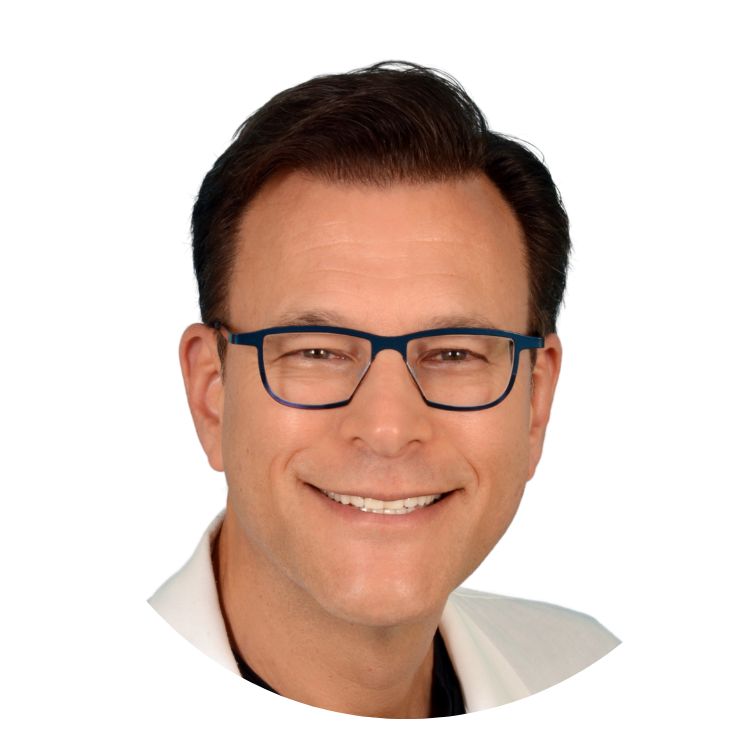
Meet Robert Haber, MD, FISHRS
Dr. Haber is considered one of the finest hair transplant surgeons in the world, and lectures internationally each year. He also directs the region’s busiest private clinical trials unit studying new medications.
In 2023, Dr. Haber was the recipient of the prestigious Manfred Lucas Lifetime Achievement Award by the ISHRS, for his exceptional contributions and commitment to the field of hair transplantation. Only 15 other surgeons globally have ever received this honor.
The International Society of Hair Restoration Surgery (ISHRS) awarded Dr. Haber the coveted Golden Follicle Award in 2009 as one of the world’s top hair transplant surgeons, in recognition of his academic contributions and surgical skills.